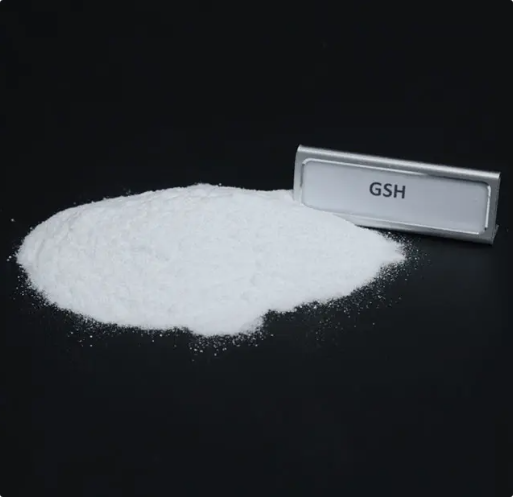
What are Skin Care Raw Materials?
Skin care raw materials are the essential ingredients used in creating cosmetic formulations. These ingredients form the foundation of skincare products such as creams, serums, lotions, and masks. They can come from various natural or synthetic sources, and their purpose is to improve skin health by addressing specific concerns like hydration, aging, pigmentation, and acne. The right combination of Skin Care Raw Materials ensures that a product delivers its intended benefits effectively and safely.
Choosing the right Skin Care Raw Materials is critical for formulating products that cater to different skin types and concerns. These materials need to be well-sourced, pure, and processed with care to ensure maximum efficacy without causing irritation or harm to the skin. Understanding the characteristics of the five primary Skin Care Raw Materials can guide consumers in choosing the most suitable products for their skin.
Importance of Choosing the Right Skin Care Raw Materials
The ingredients in skin care products directly impact their performance and safety. For instance, the wrong ingredients can lead to skin irritation, allergic reactions, or other skin conditions. Conversely, high-quality Skin Care Raw Materials can help maintain healthy skin, address specific issues, and improve the skin’s overall appearance.
The skin is the body’s largest organ and acts as a barrier to external elements, including pollutants, harmful UV rays, and pathogens. Choosing the best Skin Care Raw
Materials ensures that products not only protect the skin but also enhance its natural functions.
Furthermore, formulations that use high-quality Skin Care Raw Materials contribute to the overall sustainability of the beauty industry by reducing the use of harmful chemicals and promoting eco-friendly practices.
The 5 Primary Skin Care Raw Materials
When it comes to skincare, certain raw materials are more commonly used and have been proven to provide significant benefits for the skin. These five primary Skin Care Raw Materials are:
Aloe Vera as a Skin Care Raw Material
Aloe vera is one of the most widely used Skin Care Raw Materials due to its numerous skin benefits. Known for its soothing and healing properties, aloe vera is perfect for treating sunburn, irritation, and inflammation. Its gel-like consistency makes it an excellent hydrating agent that can be incorporated into various skincare products, such as moisturizers, gels, and masks.
The plant contains vitamins, enzymes, and amino acids that work synergistically to hydrate, nourish, and promote skin regeneration. Aloe vera also has antimicrobial properties that can help combat acne and other skin conditions.
Hyaluronic Acid as a Skin Care Raw Material
Hyaluronic acid is a naturally occurring substance in the human body, mainly found in the skin, joints, and eyes. It plays a vital role in maintaining skin hydration by retaining water, helping to keep the skin plump, smooth, and youthful. As a Skin Care Raw Material, hyaluronic acid is widely used in moisturizers, serums, and masks because of its ability to draw moisture from the environment and bind it to the skin.
This ingredient is particularly beneficial for dry or dehydrated skin, as it helps to restore moisture balance without clogging pores. Hyaluronic acid also promotes collagen production, which can improve the skin's elasticity and reduce the appearance of fine lines and wrinkles.
Vitamin C in Skin Care Raw Material
Vitamin C is a powerful antioxidant that has been extensively studied for its skin benefits. It helps protect the skin from free radicals, which are unstable molecules that can accelerate the aging process. When used as a Skin Care Raw Material, vitamin C brightens the complexion, reduces pigmentation, and promotes collagen production, which is essential for maintaining the skin's firmness and elasticity.
In addition to its anti-aging benefits, vitamin C also helps to reduce the appearance of dark spots, sun damage, and redness. It is commonly used in serums, moisturizers, and eye creams due to its ability to improve skin texture and radiance.
Retinol in Skin Care Raw Material
Retinol, also known as vitamin A1, is a powerhouse ingredient in the world of skincare. As a potent antioxidant, retinol helps to speed up cell turnover, making it a highly effective treatment for acne, hyperpigmentation, and the signs of aging. It works by promoting the production of new skin cells, which can help fade dark spots, reduce the appearance of wrinkles, and improve overall skin texture.
Because retinol accelerates skin cell turnover, it is also a great ingredient for improving the appearance of uneven skin tone and boosting skin radiance. However, retinol can cause skin irritation in some individuals, so it is recommended to use products containing this Skin Care Raw Material in moderation and introduce it gradually into your routine.
Jojoba Oil as a Skin Care Raw Material
Jojoba oil is a natural oil derived from the seeds of the jojoba plant. It is often used in skincare as a Skin Care Raw Material due to its similarity to the skin's natural sebum. This makes it particularly beneficial for those with oily or combination skin, as it can help regulate sebum production while providing moisture.
Jojoba oil has anti-inflammatory properties that can help soothe irritated skin and reduce redness. It is also rich in vitamins E and B, which support skin healing and prevent signs of aging. Its ability to balance moisture levels without clogging pores makes it suitable for almost all skin types.
Benefits of Primary Skin Care Raw Materials
Each of the five primary Skin Care Raw Materials offers unique benefits to the skin, improving its health and appearance.
How Aloe Vera Benefits Skin Care Raw Material
Aloe vera’s anti-inflammatory and hydrating properties make it an excellent choice for soothing sunburn, minor cuts, and other skin irritations. As a Skin Care Raw Material, it helps calm inflammation, reduces redness, and promotes skin healing. Its ability to moisturize the skin without leaving a greasy residue makes it perfect for all skin types, including oily and acne-prone skin.
The Hydration Power of Hyaluronic Acid in Skin Care Raw Material
Hyaluronic acid is known for its exceptional ability to hydrate the skin. It can hold up to 1,000 times its weight in water, making it one of the most effective hydrating ingredients. As a Skin Care Raw Material, it helps to plump up the skin, smoothing fine lines and wrinkles. Additionally, hyaluronic acid helps restore the skin’s moisture balance, ensuring it remains soft and hydrated throughout the day.
Brightening Effects of Vitamin C in Skin Care Raw Material
Vitamin C is well-known for its ability to brighten the skin and even out skin tone. As a Skin Care Raw Material, it neutralizes free radicals, which contribute to skin aging and pigmentation. Vitamin C also helps to fade dark spots and improve skin radiance, making it a must-have for those dealing with sun damage or pigmentation issues.
Anti-Aging Properties of Retinol in Skin Care Raw Material
Retinol is a highly effective Skin Care Raw Material for combating the signs of aging. By promoting the turnover of skin cells, retinol helps to reduce the appearance of fine lines, wrinkles, and sagging skin. Additionally, retinol stimulates collagen production, which enhances skin elasticity and firmness. It is often found in anti-aging creams and serums due to its remarkable ability to regenerate skin cells.
Skin Moisturization with Jojoba Oil as a Skin Care Raw Material
Jojoba oil is an excellent moisturizer that mimics the skin's natural oils. It absorbs quickly into the skin without clogging pores, making it ideal for people with oily or combination skin. As a Skin Care Raw Material, jojoba oil helps to balance the skin’s moisture levels, keeping it hydrated and soft without making it greasy.
How to Choose the Right Skin Care Raw Material for Your Skin Type
Different skin types require different ingredients to maintain health and achieve optimal results. Here are some guidelines for choosing the right Skin Care Raw Materials based on your skin type:
Best Skin Care Raw Materials for Oily Skin
For oily skin, lightweight, non-comedogenic ingredients are essential to prevent breakouts and clogged pores. Look for Skin Care Raw Materials such as aloe vera, hyaluronic acid, and jojoba oil. These ingredients hydrate the skin without adding excess oil.
Best Skin Care Raw Materials for Dry Skin
Dry skin needs ingredients that offer deep hydration and help lock in moisture. Hyaluronic acid, jojoba oil, and vitamin C are excellent Skin Care Raw Materials for dry skin, as they help retain moisture, nourish the skin, and prevent dehydration.
Best Skin Care Raw Materials for Sensitive Skin
Sensitive skin requires gentle, soothing ingredients that won’t cause irritation. Aloe vera and jojoba oil are great Skin Care Raw Materials for sensitive skin, as they have calming and anti-inflammatory properties.
Common Challenges in Sourcing Skin Care Raw Materials
Sourcing high-quality Skin Care Raw Materials can be challenging due to factors such as ingredient purity and sustainability. Here are some common challenges:
Purity and Sourcing of Skin Care Raw Materials
The purity of Skin Care Raw Materials is critical to ensuring the safety and effectiveness of the final product. Ingredients must be free from contaminants, such as pesticides, heavy metals, and other harmful chemicals.
Sustainability in Skin Care Raw Material Sourcing
Consumers are becoming more conscious of the environmental impact of their skincare products. Sourcing sustainable Skin Care Raw Materials is essential for reducing the beauty industry’s carbon footprint. Brands that prioritize ethical and sustainable sourcing practices are more likely to gain consumer trust.
Conclusion: The Future of Skin Care Raw Materials
Emerging Trends in Skin Care Raw Materials
The future of skincare lies in innovation, with biotechnology and sustainability taking center stage. From plant-based alternatives to lab-grown ingredients, the next generation of Skin Care Raw Materials promises to be even more effective and eco-friendly.
How to Stay Informed About the Best Skin Care Raw Materials
Keeping up with trends in skincare and understanding the latest Skin Care Raw Materials is essential for both consumers and formulators. Regular research, staying informed about new ingredient breakthroughs, and understanding how these materials benefit the skin will help you make informed decisions when choosing skincare products.
By understanding and using the right Skin Care Raw Materials, individuals can enhance their skincare routines and achieve healthier, more radiant skin.


